Protein Powder Buying Guide
How to pick a protein powder based on what actually matters — protein per dollar, digestion, and how you'll use it — instead of the sticker price on the tub.
Whey concentrate vs. whey isolate vs. plant protein
Whey concentrate generally retains more lactose and fat than whey isolate, while isolate usually costs more per serving. Individual tolerance and product formulations vary, so compare the ingredient list and nutrition label rather than assuming one form will digest or mix better for everyone. Plant-based powders avoid dairy, but their protein sources and amino-acid profiles differ by product.
Judge it by cost per gram of protein, not price per tub
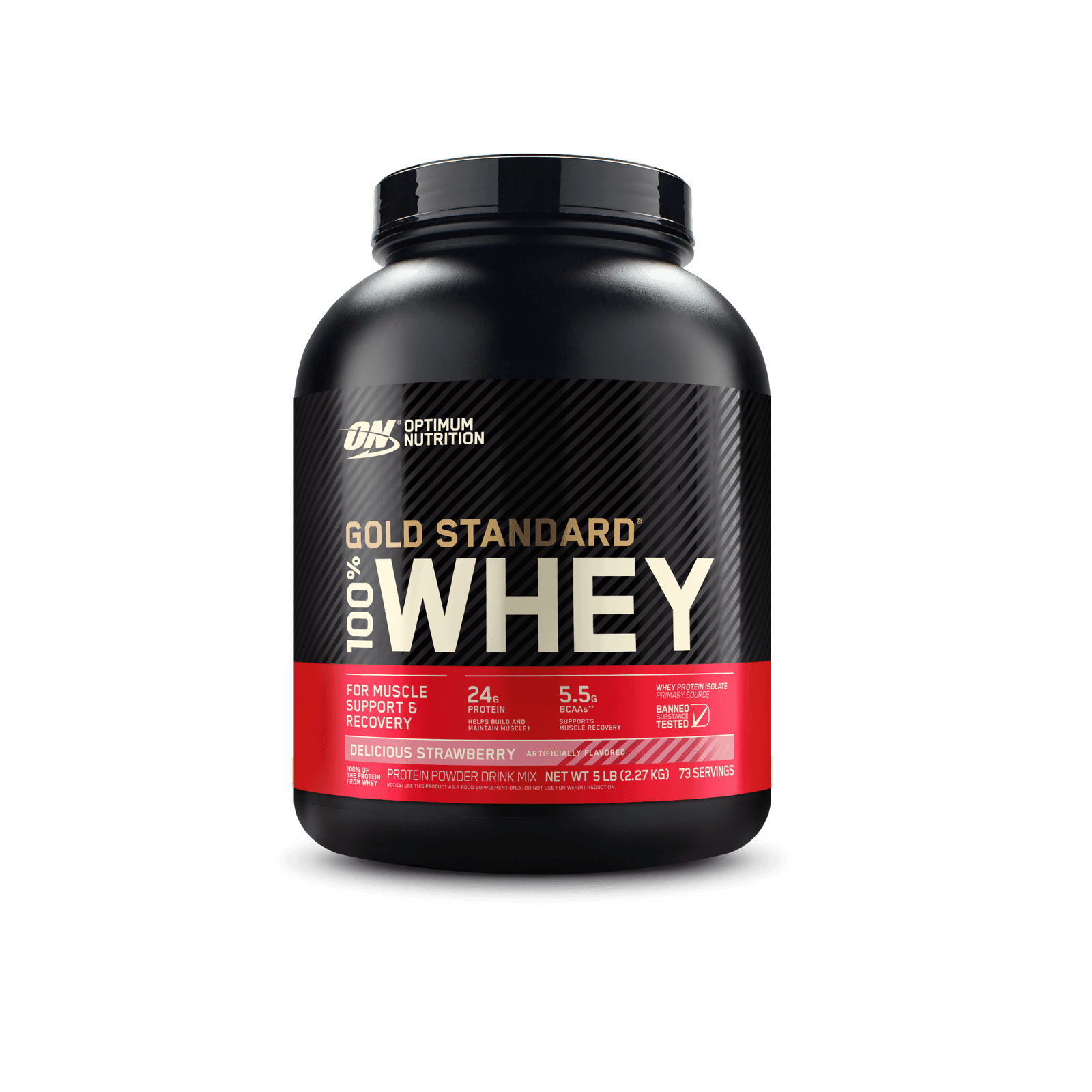
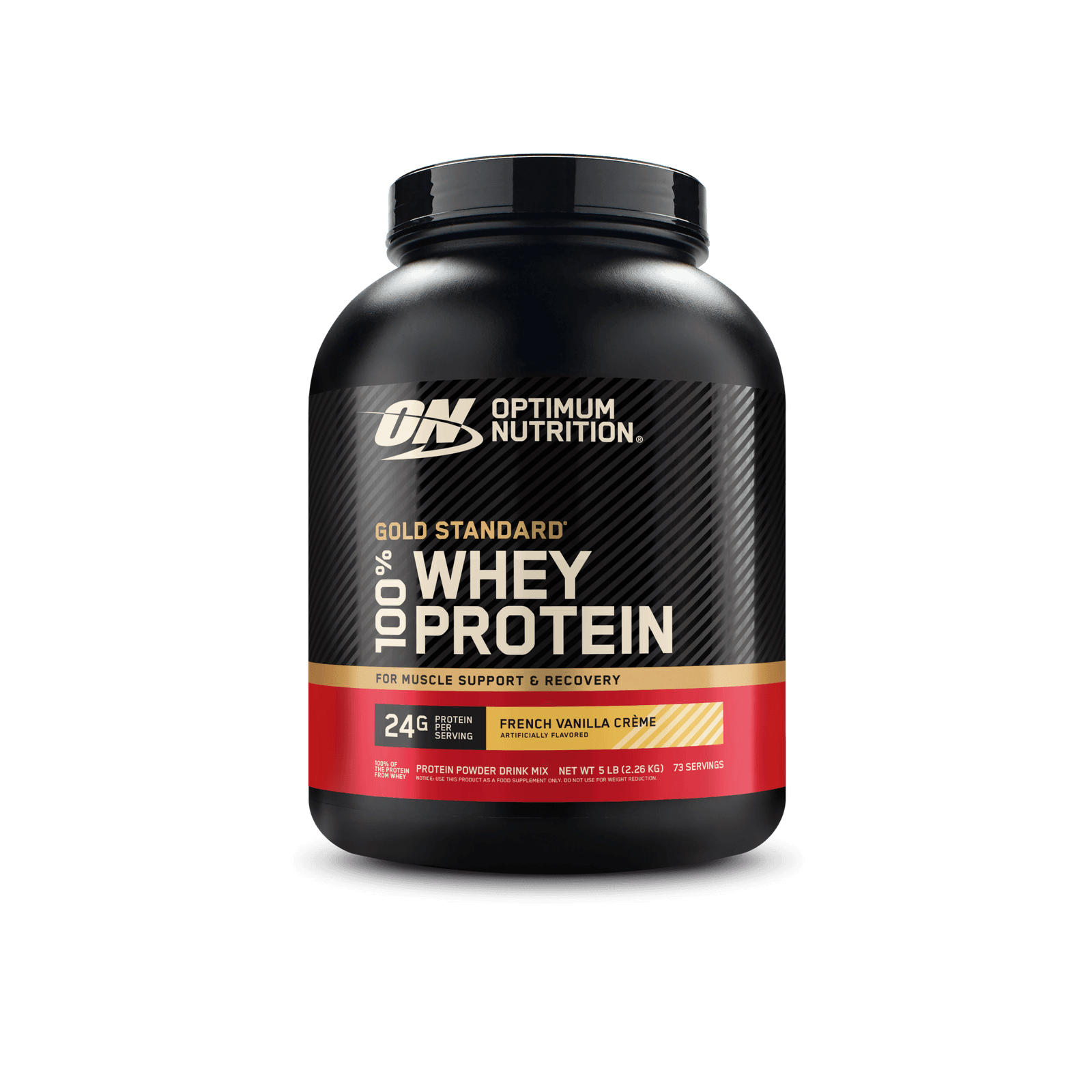
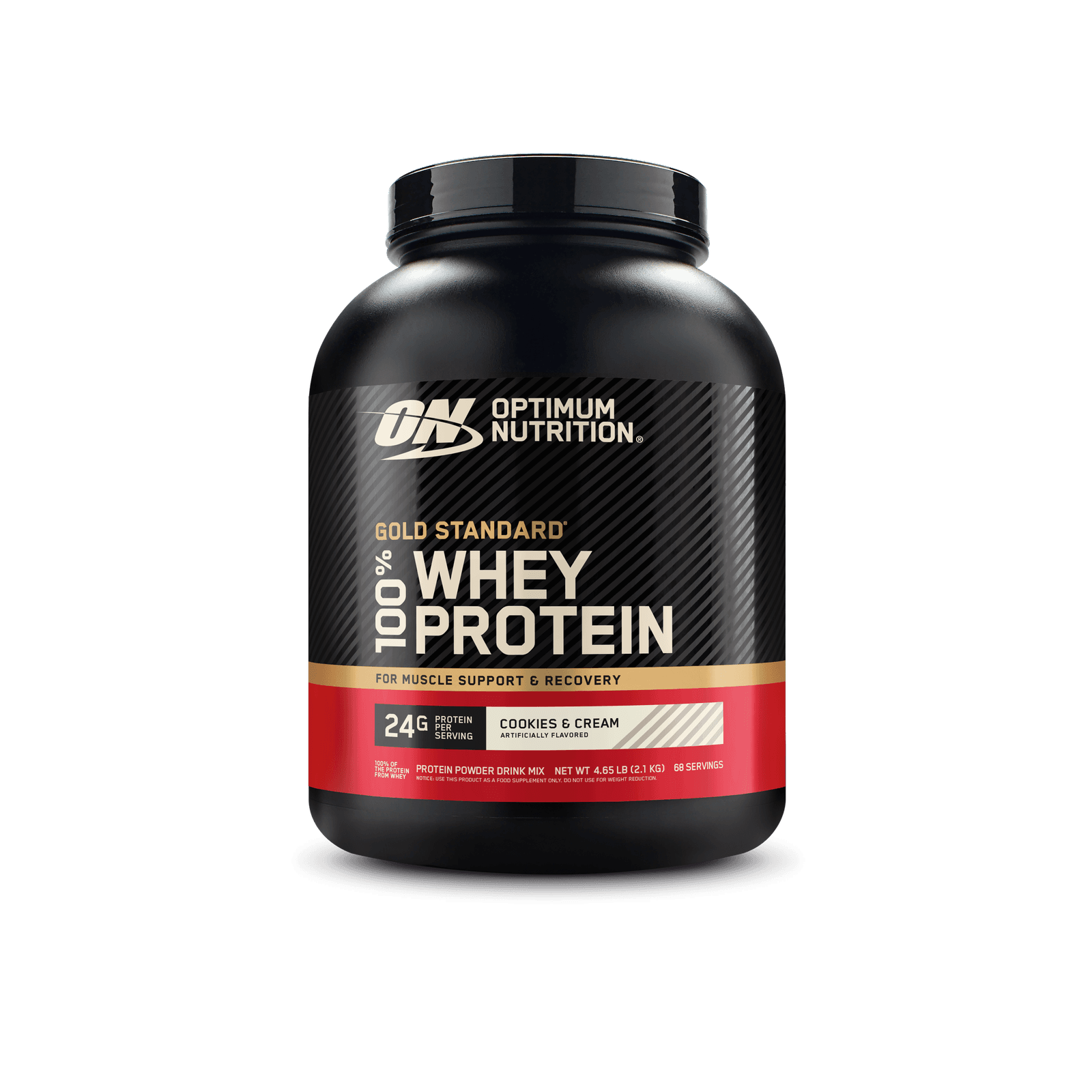
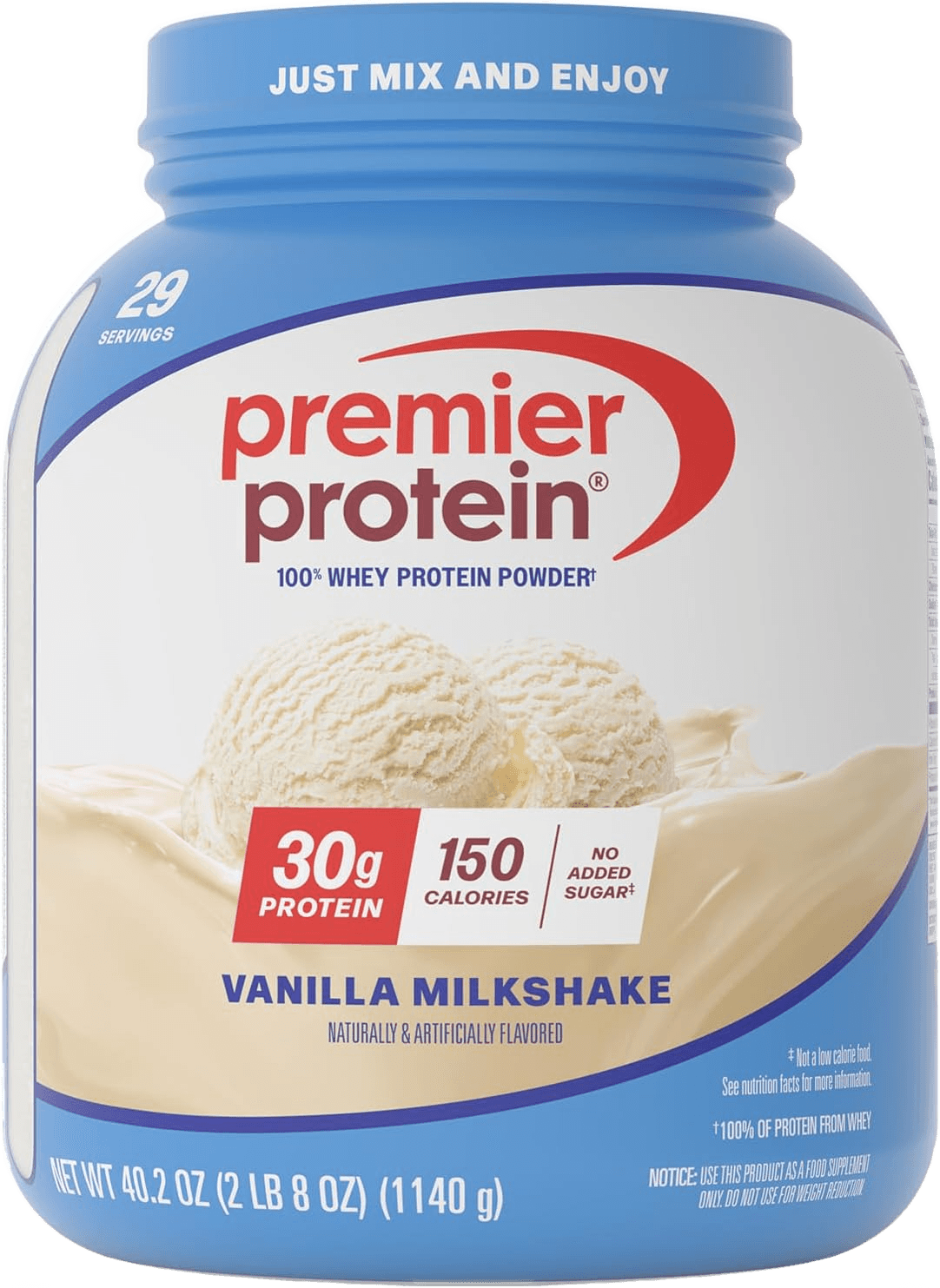
A lower-priced tub can still cost more per gram of protein when serving sizes and serving counts differ. Price divided by the total labeled grams of protein is one useful value measure; ingredients, dietary needs, taste, and tolerance still matter. MacroSaver calculates this label-based metric where the required data is available.
Check the serving size before you compare flavors
Two tubs of the "same" protein can have different scoop sizes across flavors or package sizes, which throws off a naive price comparison. Always check grams of protein per serving on the label, not just the flavor name or container size, especially when a brand sells the same product in multiple bag sizes.
Mixability and flavor are real, not just marketing
Taste and texture vary substantially by formula, flavor, and preparation method. Reviews can reveal recurring complaints about clumping or flavor, but they are subjective and should be weighed alongside the label, price, and your own dietary needs.
Related Price Comparisons
Frequently Asked Questions
How much protein do I actually need per day?
Protein needs vary with body size, age, diet, activity, goals, and health status. The NIH resource linked below offers general background, while a clinician or registered dietitian can help set an individual target. Protein powder can supplement a diet; it does not need to replace protein-rich foods.
Is a more expensive protein powder always better?
Not necessarily. Price differences often come down to processing (isolate vs. concentrate), added ingredients like digestive enzymes, or brand marketing rather than a meaningful difference in muscle-building effect. Compare cost per gram of protein first, then let taste and digestion be the tiebreaker.
Can I take protein powder if I'm lactose intolerant?
Whey isolate generally contains less lactose than concentrate, but lactose content and individual tolerance vary. A dairy-free powder avoids lactose, though its other ingredients may still matter for allergies or digestive symptoms. Check the label and seek clinical advice for significant reactions.