Creatine Buying Guide
How to compare creatine forms, labeled serving sizes, and cost per gram without treating marketing claims as settled evidence.
Monohydrate is the default for a reason
Creatine monohydrate is the form most commonly studied for exercise performance and is often inexpensive per gram. Other forms may make absorption or comfort claims, but those claims should be checked against independent evidence. Compare the labeled creatine amount and price, and discuss suitability with a clinician if you have a medical condition or take medication.
Watch the scoop size, not just the tub price
Serving sizes differ across products, so compare the labeled grams of creatine per serving as well as the serving count. A smaller scoop is not necessarily misleading, but it can make two tubs look more similar than they are. The NIH source below summarizes studied amounts; it is not a personalized dosing recommendation.
Understand loading instructions before following them
Some products describe a short loading phase, while others use one consistent serving. Research protocols and personal needs are not interchangeable with label marketing, and larger amounts can be harder for some people to tolerate. Follow the product directions and seek professional advice when dosing is uncertain.
Timing matters less than consistency
Creatine research generally focuses on repeated use rather than an immediate stimulant-like effect. Evidence does not establish one universally best time of day, so convenience and following the labeled directions may be more practical than treating workout timing as essential.
Powder, capsules, gummies, or a blended formula
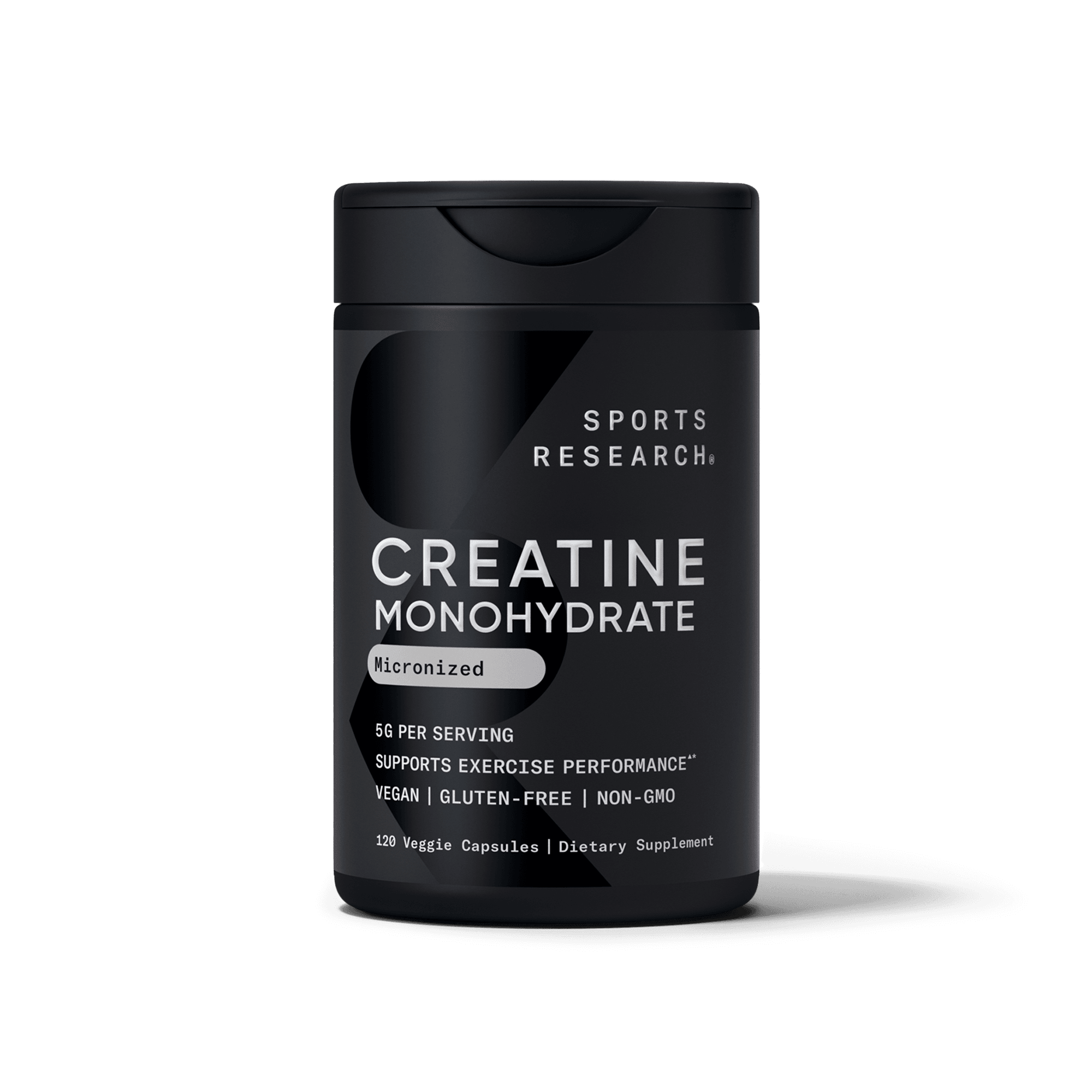
Plain powder is often less expensive per gram, while capsules, gummies, and flavored products may charge more for convenience. Blends add ingredients that should be evaluated separately; their presence does not by itself establish a performance advantage. Compare the actual creatine amount, full ingredient list, and cost per serving.
Put safety claims in context
Creatine is not an anabolic steroid and is also obtained from foods such as meat and fish. Safety findings from studies of healthy participants should not be generalized to every person, dose, product, or duration. Anyone with kidney concerns, pregnancy, or medication questions should get individual medical guidance before use.
Related Price Comparisons
Frequently Asked Questions
Does creatine cause bloating or water retention?
Changes in body water and weight can occur, but the amount and timing vary. The scale cannot show where water is stored, and persistent swelling or other concerning symptoms warrant medical advice rather than an assumption that creatine is the cause.
Is creatine safe to take every day, long term?
Studies summarized by NIH provide useful safety context, but they do not guarantee that daily, long-term use is appropriate for every person. Discuss use with a clinician if you have kidney concerns, are pregnant, take medication, or plan to use more than the label directs.
Do I need a fancy flavored creatine, or is unflavored fine?
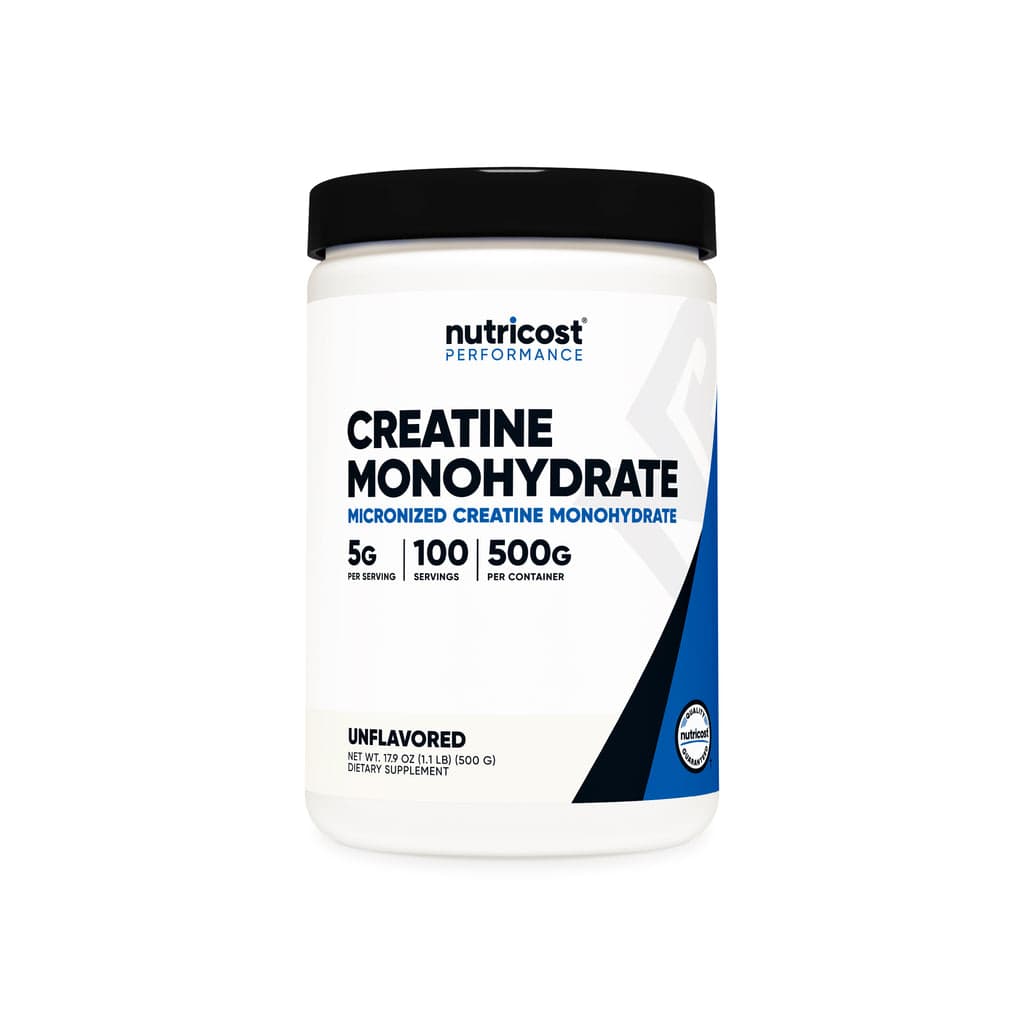
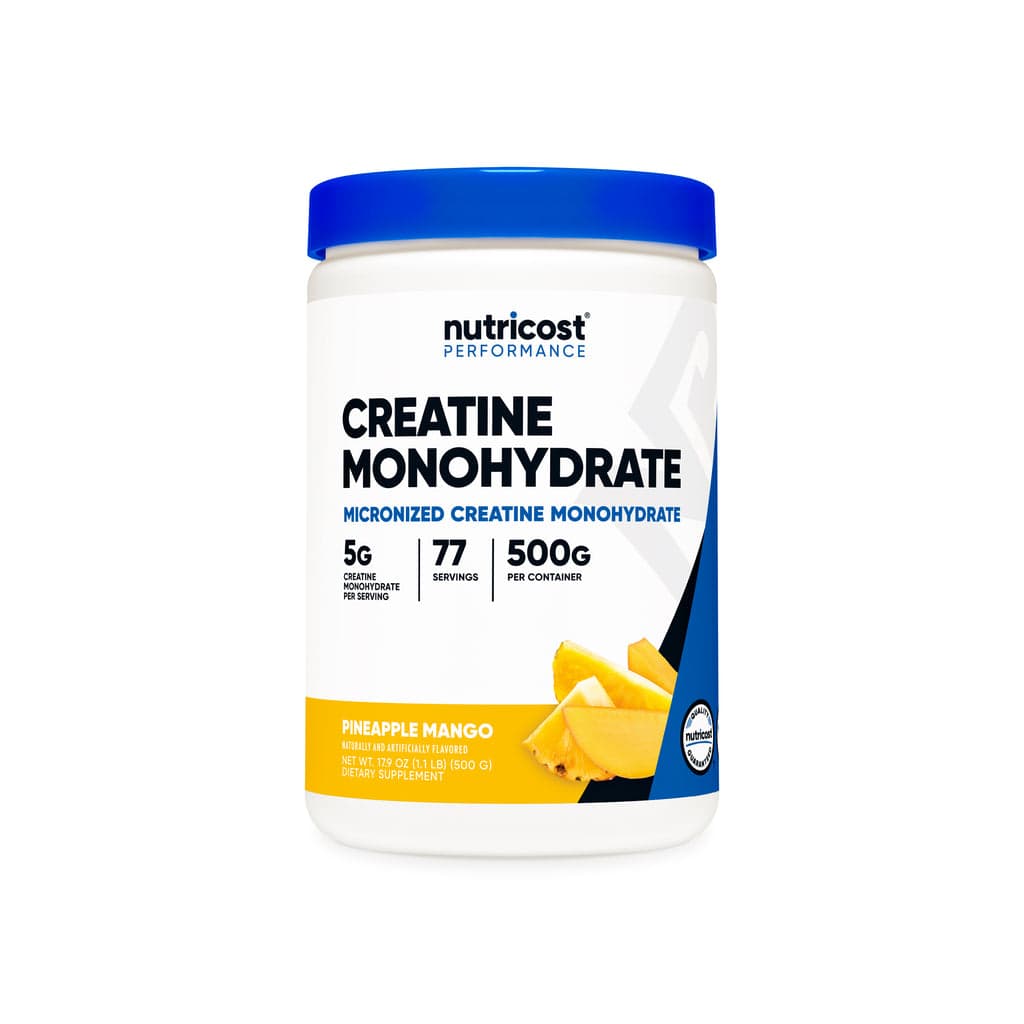
Plain creatine monohydrate has no real flavor and dissolves into most drinks without much fuss. Flavored versions are a convenience premium, not a performance upgrade — unflavored is usually the better per-serving value if you don't mind mixing it into juice or a shake.
How long until I actually notice a difference?
Response and timing vary, and some people may notice no obvious subjective change. Training, diet, sleep, the product used, and the outcome being measured all affect what can be observed; creatine does not replace a training program.
Does creatine work for women, or is it mainly for men?
Creatine is not a men's-only supplement, and research includes women as well as men. That does not make one dose appropriate for everyone; follow the label and consider individual health, body size, pregnancy, and professional advice.